
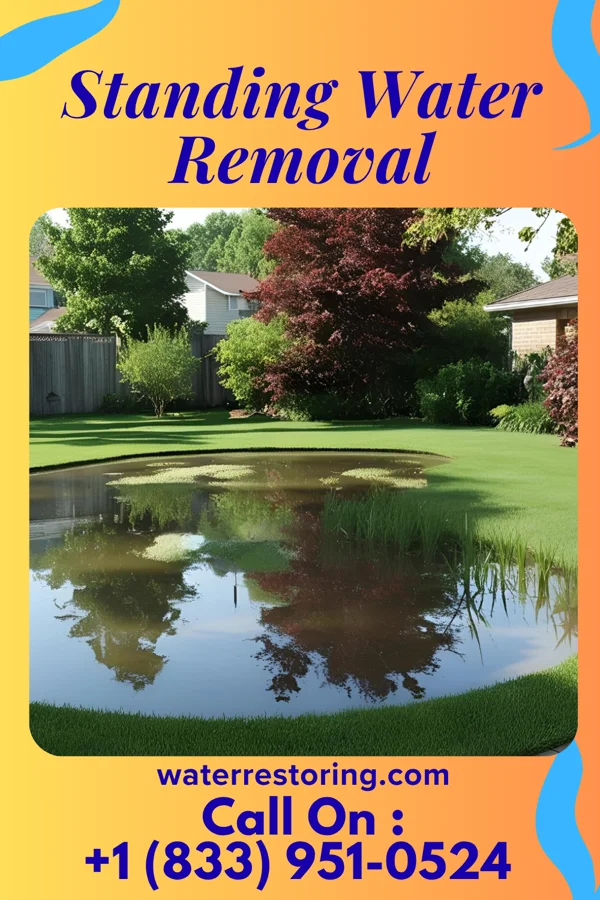
Ground-Water Standing Water in Astoria
Water damage in Astoria tends to cluster in predictable windows because of the local climate. In Astoria, South Dakota, the primary water damage cause is often due to plumbing leaks in older homes, particularly in basements and crawl spaces. The region's cold climate can cause pipes to freeze and burst, leading to sudden water intrusion. Additionally, agricultural runoff from nearby farmlands can seep into low-lying areas during spring thaw. A close second is Secondary causes include roof leaks from heavy snowmelt, sump pump failures during extreme weather, and water infiltration from nearby rivers or streams. Flooding from the Missouri River basin also poses a risk, especially during spring and early summer storms..
Astoria's rural location and proximity to the Missouri River make it vulnerable to seasonal flooding and extreme weather events. The area experiences harsh winters with significant snowfall, which can lead to ice dams and roof leaks. Spring thaws often result in saturated ground and increased water damage risks.
Astoria's rural location and proximity to the Missouri River make it vulnerable to seasonal flooding and extreme weather events. The area experiences harsh winters with significant snowfall, which can lead to ice dams and roof leaks. Spring thaws often result in saturated ground and increased water damage risks. The dominant local driver is In Astoria, South Dakota, the primary water damage cause is often due to plumbing leaks in older homes, particularly in basements and crawl spaces. The region's cold climate can cause pipes to freeze and burst, leading to sudden water intrusion. Additionally, agricultural runoff from nearby farmlands can seep into low-lying areas during spring thaw., with Secondary causes include roof leaks from heavy snowmelt, sump pump failures during extreme weather, and water infiltration from nearby rivers or streams. Flooding from the Missouri River basin also poses a risk, especially during spring and early summer storms. showing up as the next most common cause. Damage builds in stages. Spread. Absorption. Microbial growth. Structural compromise. Every stage you pass through adds to the final bill.